March 10, 2026
Agricultural properties have unique needs when it comes to perimeter protection and land management. Unlike residential or small commercial properties, farms and agricultural facilities often cover large areas and require fencing that can withstand weather, livestock pressure, and daily operational use. Choosing the right fencing material plays a major role in how well the property functions, how much maintenance it requires over time, and how effectively it protects crops, animals, and equipment. In many cases, fencing also helps organize agricultural activities by dividing land into pastures, grazing sections, or designated work zones.
For farmers and agricultural property owners planning a commercial fence installation, the selection process involves more than simply choosing a material that looks good. It requires balancing durability, cost, functionality, and long-term performance. A well-planned fence can help control livestock movement, protect crops from wildlife, and create clear property boundaries while supporting daily farm operations. The right fencing material can also reduce long-term maintenance concerns and provide a consistent barrier that holds up under demanding conditions. Understanding how different materials perform in agricultural environments can help property owners make informed decisions that align with their land management goals.
Considering Durability and Longevity in Agricultural Fencing
Durability is one of the most important factors when planning a commercial fence installation for agricultural land. Farms are exposed to constant environmental stress, including wind, moisture, temperature fluctuations, and the pressure of livestock leaning or pushing against fence lines. Because of these conditions, fencing materials must be strong enough to maintain their structure over many years without frequent repairs. Selecting materials designed for outdoor exposure helps reduce the likelihood of premature wear and allows the fence to remain functional through changing seasons.
Metal fencing options such as galvanized steel and woven wire are commonly used in agricultural environments because they offer strong resistance to corrosion and physical stress. These materials can withstand repeated pressure from animals while maintaining structural stability across large areas of land. Their flexibility also allows them to absorb impact without easily breaking or bending out of shape.
Proper installation and high-quality posts also contribute to the long-term performance of metal fencing systems, allowing them to remain effective even under demanding farm conditions. For property owners evaluating fencing materials, understanding how each option performs over time can help guide a commercial fence installation that supports long-term agricultural use while minimizing unexpected repairs.
Evaluating Safety for Livestock and Agricultural Operations
Livestock safety is a key consideration when selecting fencing materials for farms and agricultural properties. Animals interact with fencing every day, whether grazing in pastures, moving between paddocks, or being guided through controlled areas. Because of this constant interaction, fencing must minimize the risk of injury while still maintaining strong containment. Choosing materials that are smooth, flexible, and appropriately spaced can reduce the chance of animals becoming entangled or harmed during routine movement.
Woven wire and mesh fencing are often used for livestock because they create a flexible barrier that reduces the chance of animals becoming caught or injured. These materials can accommodate movement and pressure without breaking or creating sharp edges. They also provide consistent spacing that helps prevent smaller animals from slipping through gaps in the fence. When planning a commercial fence installation, selecting a fence design that matches the size and behavior of the livestock helps improve safety while supporting efficient farm management.
Comparing Maintenance Requirements Across Fence Materials
Maintenance requirements vary significantly depending on the type of fencing material used in agricultural environments. Property owners managing large farms often prefer fencing systems that require minimal upkeep, since maintaining miles of fence lines can quickly become time-consuming and expensive. Even small repairs can add up when they must be repeated across large areas of land. When evaluating fencing options for a commercial fence installation, considering long-term maintenance can influence the overall value of the investment.
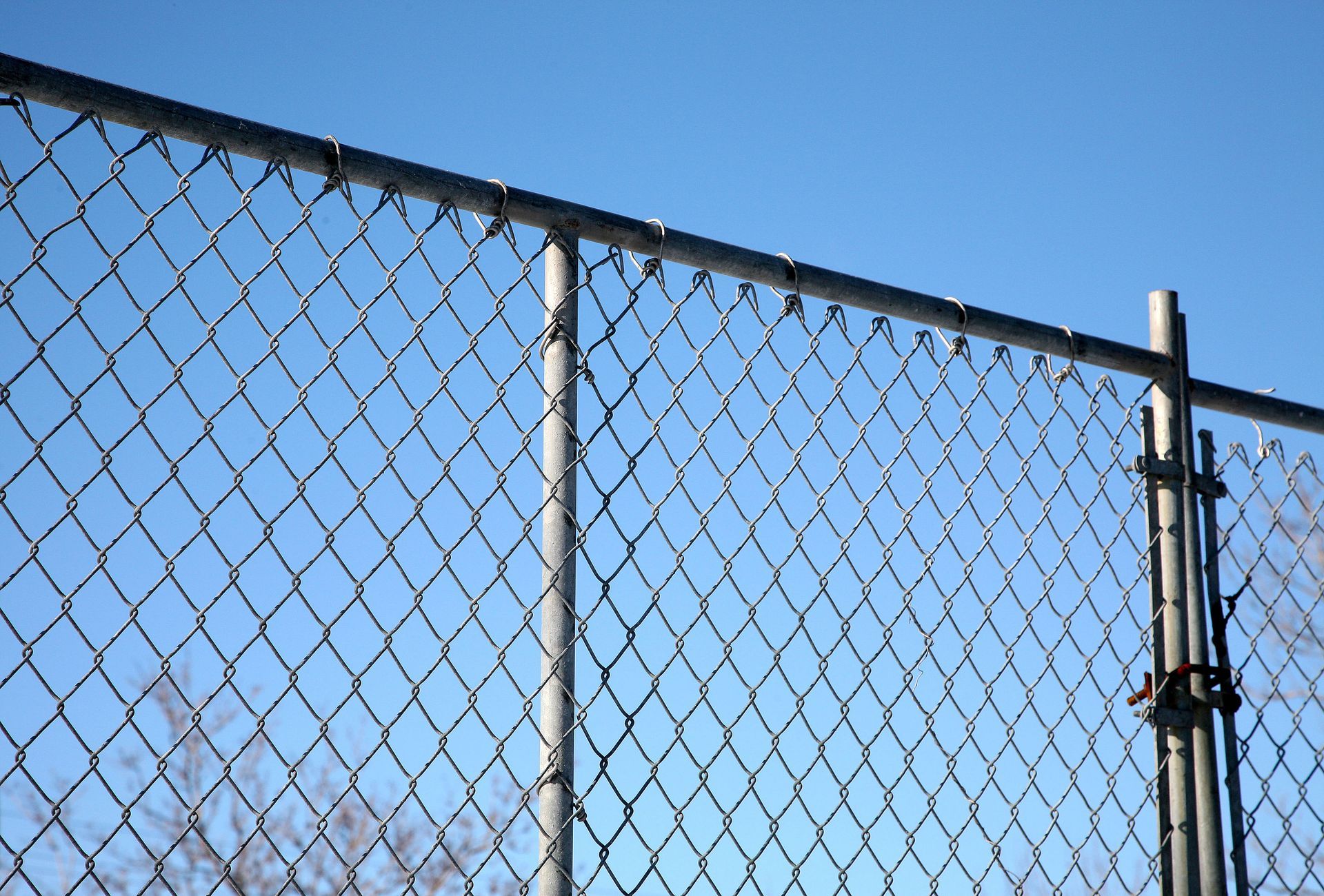
Metal fencing products, such as chain link and galvanized wire, typically require less routine care than wood fencing. These materials resist rot, insect damage, and many types of environmental wear, allowing them to remain functional for extended periods with minimal maintenance. Routine inspections, occasional tightening, and minor repairs are usually sufficient to keep these fencing systems performing effectively across agricultural land. This makes metal fencing a practical option for property owners who want a dependable barrier without constant upkeep.
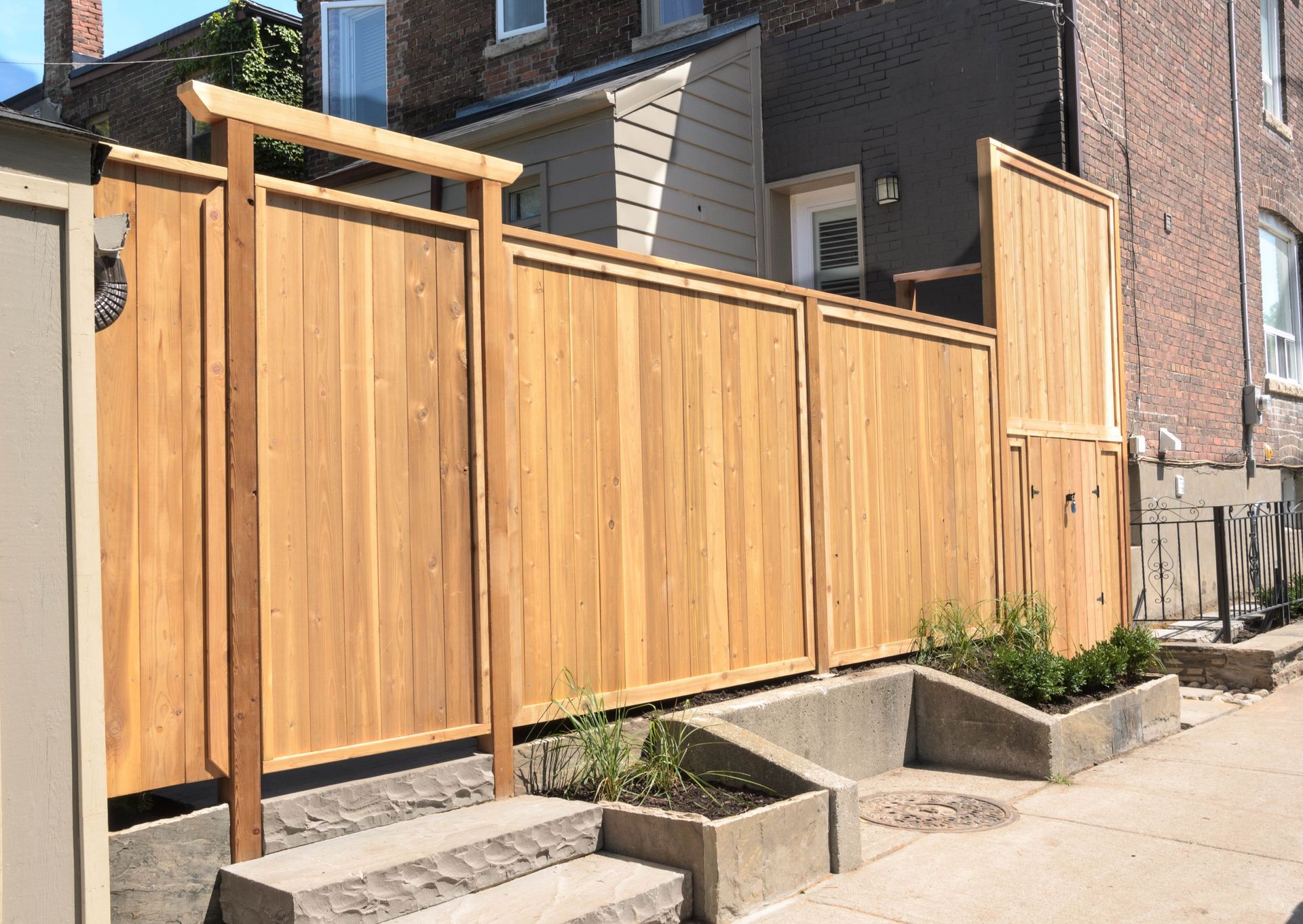
Wood fencing, while visually appealing and strong when first installed, often requires more ongoing attention. Exposure to moisture, soil contact, and seasonal temperature changes can cause wood posts and boards to deteriorate over time. Cracking, warping, and gradual decay may occur if the material is not treated or maintained periodically. Agricultural property owners who choose wood fencing may need to plan for staining, sealing, or replacement of certain components as part of long-term property maintenance after a commercial fence installation.
Balancing Cost and Performance for Large Properties
Agricultural properties frequently involve large acreages, which means fencing costs can increase quickly depending on the materials selected. Property owners must balance the initial investment with the long-term performance of the fencing system. A lower upfront cost may seem appealing, but materials that require frequent repair or replacement can ultimately increase overall expenses over time. Evaluating both the installation cost and the expected lifespan of the fencing system helps property owners make practical financial decisions.
Wire fencing systems are often considered one of the most cost-effective solutions for farms because they allow property owners to cover large areas efficiently while maintaining durability. When combined with strong support posts and proper spacing, wire fencing provides reliable containment for livestock and helps define property boundaries across extensive agricultural land. These systems can also be adapted to different types of terrain, making them a flexible option for properties with varied landscapes. For many farms planning a commercial fence installation, wire systems provide a practical balance between affordability and functionality.
Industry trends also highlight the continued demand for fencing solutions across both agricultural and commercial sectors. According to Freedonia Group, US fencing demand is forecast to grow 1.2% annually to $12.4 billion in 2027. This growth reflects ongoing investments in property development, agricultural infrastructure, and security improvements, all of which influence how property owners approach commercial fence installation projects. As more landowners invest in fencing systems, selecting materials that combine durability and value becomes increasingly important.
Selecting the right fencing material for agricultural land requires careful consideration of durability, safety, maintenance, and overall cost. Farms operate in demanding environments where fences must withstand daily interaction with livestock, changing weather conditions, and the logistical challenges of managing large areas of land. Materials such as woven wire, galvanized metal, and wood each offer advantages depending on how the land is used and the type of livestock involved. By comparing these factors, property owners can identify fencing solutions that support both daily operations and long-term land management.
A well-planned
commercial fence installation contributes to livestock management, crop protection, and clear property boundaries while supporting the long-term functionality of the land. Taking the time to evaluate fencing materials and installation methods can lead to a fencing system that performs well for many years while reducing maintenance concerns. If you are planning a fencing project for your agricultural property, speaking with a fencing contractor at BlueBird Fence Inc can help you explore available materials, discuss property-specific needs, and move forward with a commercial fence installation.